
Smoke & CO detection
Smoke Detectors & Fire Alarms in Westford & Newton, MA
- Licensed & insured
- Free estimates
- Warranty-backed work
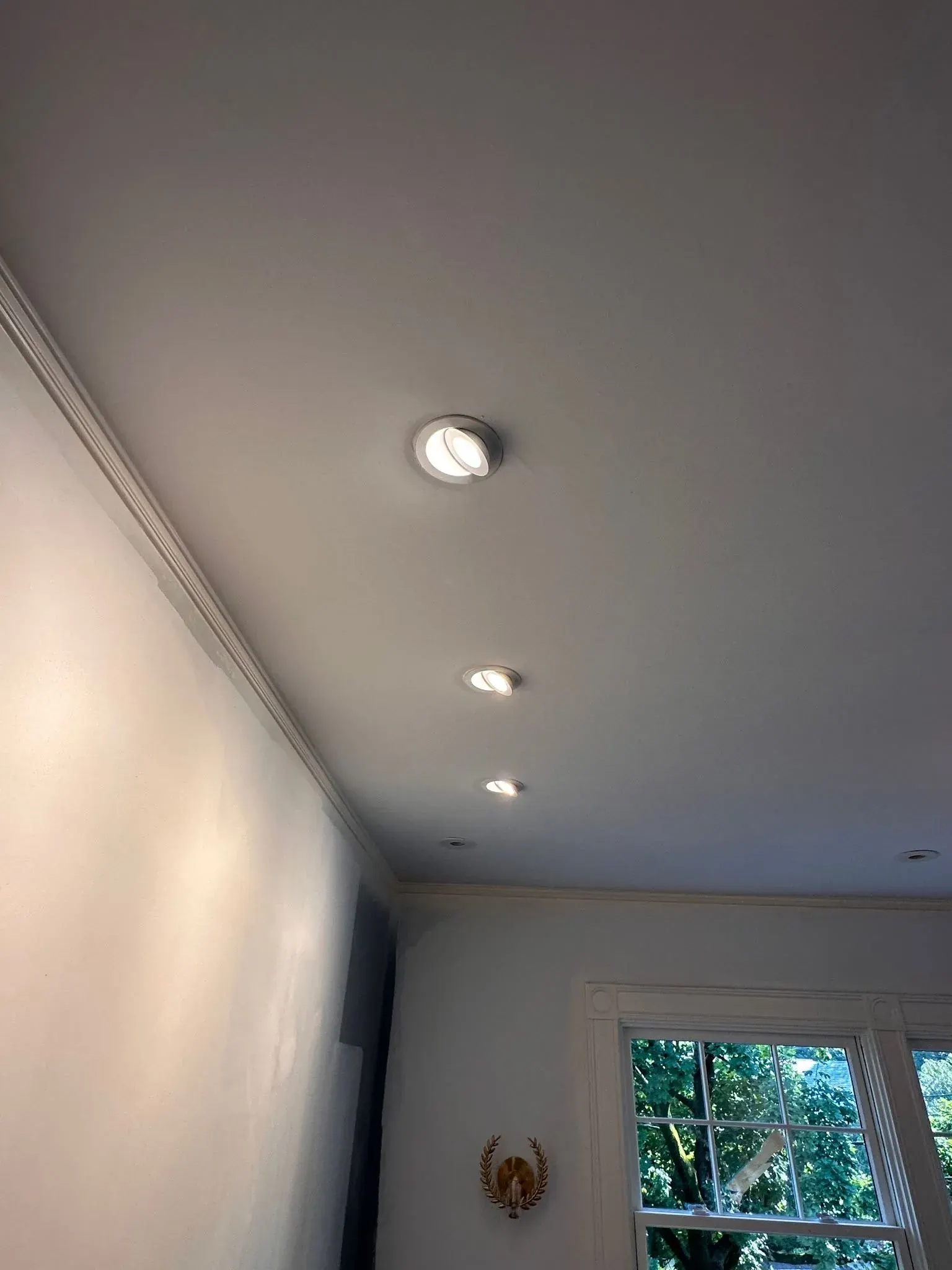
Smoke & Fire Alarms
The cheapest life-safety upgrade in the house.
Smoke alarms have a lifespan, typically around ten years, and a lot of the hardwired units we see are well past it. Many older homes also have detectors that aren’t interconnected, so an alarm in the basement doesn’t sound in the bedrooms, or battery-only units in some rooms and hardwired units in others.
We install and replace hardwired, interconnected smoke and carbon monoxide detectors, add units where coverage is missing, and replace old heads with compatible models so the system works together. For homes with gas or oil appliances, attached garages or fireplaces, carbon monoxide detection is just as important as smoke.
Massachusetts has specific smoke and CO requirements that come into play when homes are sold, renovated or rented, and local fire departments handle the certificates at sale. We install to the requirements that apply to your situation and can help landlords and property managers keep multi-unit buildings current.
“He was on time. He was knowledgable and explained everything very well. He was friendly, helpful and efficient. He finished everything in one day even though he had to go and get a part, which he did very quickly. I was very pleased.”
Signs to watch for
When your detectors need attention.
- 01
Units older than ten years
Check the date on the back. Detectors past their service life should be replaced even if they still chirp when tested.
- 02
Chirping that won’t stop
Low batteries, end-of-life warnings or a failing unit. Constant chirps are a sign to replace, not ignore.
- 03
No interconnection
If testing one alarm doesn’t set off the others, you’re missing a key safety feature.
- 04
Gaps in coverage
Missing detectors in bedrooms, hallways or basements are common in older homes and after renovations.
- 05
Selling or renting
A sale or new tenancy often triggers an inspection. Getting ahead of it avoids delays.
- 06
New fuel-burning appliance
A new furnace, boiler, fireplace or generator is a reason to review CO detection.
What the job involves
How we bring detection up to date.
- 1
Survey the house
We note existing detectors, their age and type, and where coverage is missing.
- 2
Plan the system
Locations, smoke versus combination smoke/CO units, and how to interconnect them.
- 3
Install and interconnect
Hardwired units with battery backup, interconnected by wire or compatible wireless modules where running wire isn’t practical.
- 4
Test every unit
We test each alarm and confirm they all sound together.
- 5
Help with inspections
If you’re preparing for a sale or rental inspection, we install to what the inspection will look for.
Good to know
Good to know about detector upkeep.
Test monthly and replace on schedule. Press the test button on each detector once a month, and note the manufacture date so you know when replacement is due. Replacing all interconnected units at the same time keeps the system compatible.
Placement matters. Detectors too close to kitchens or bathrooms cause nuisance alarms, and people end up disconnecting them. We place units where they protect you without going off every time someone cooks or showers.
Why it matters
Seconds matter in a fire.
Modern furnishings burn faster than they used to, which means less time to get out once a fire starts. Interconnected alarms give everyone in the house the earliest possible warning, no matter where the fire starts.
Carbon monoxide is invisible and odorless. A working CO detector on every level, and near sleeping areas, is the only reliable way to know it’s there.
- Hardwired with battery backup
- Interconnected alarms
- Smoke & CO coverage
- Landlord & multi-family
Smoke & Fire Alarms FAQ
Questions we get about this work
How often should smoke detectors be replaced?
Most manufacturers say about every ten years. The manufacture date is printed on the back of the unit.
Can you interconnect detectors without opening walls?
Often, yes, using compatible wireless interconnect modules. Where we can run wire easily, we do.
Do I need carbon monoxide detectors?
If you have fuel-burning appliances, a fireplace or an attached garage, yes. We’ll recommend placement for your home.
Do you work with landlords?
Yes. We install and replace detectors in rental units and multi-family buildings and can schedule around tenants.
Should smoke and CO detectors be combined?
Combination units are a good option in many locations, especially hallways outside bedrooms. In some spots, separate units make more sense. We’ll recommend the right mix for your layout.
Related services
Often done together.
Nearby service areas
Smoke & Fire Alarms across the region.
- Westford, MA
- Newton, MA
- Chelmsford, MA
- Lowell, MA
- Billerica, MA
- Tewksbury, MA
- Lexington, MA
- Burlington, MA
- Boston, MA
- Cambridge, MA
- Hillsborough County, NH
- York County, ME
Free estimates · Financing · Warranty
Ready to talk smoke & fire alarms?
Call Monday to Friday, 8:00 to 4:30, or send a note and we’ll get back to you with a time for your free estimate.