
Backup power
Generator Services in Westford, Newton & New England
- Licensed & insured
- Free estimates
- Warranty-backed work
Generator Services
Plan for the outage before it happens.
Anyone who’s lived through a few New England winters knows the drill. The wind picks up, the lights flicker, and then the house goes quiet. Sometimes it’s back in an hour. Sometimes, when trees take down lines across a whole region, it’s days. Without power, many homes lose heat, water from the well pump, the sump pump in the basement and the food in the freezer.
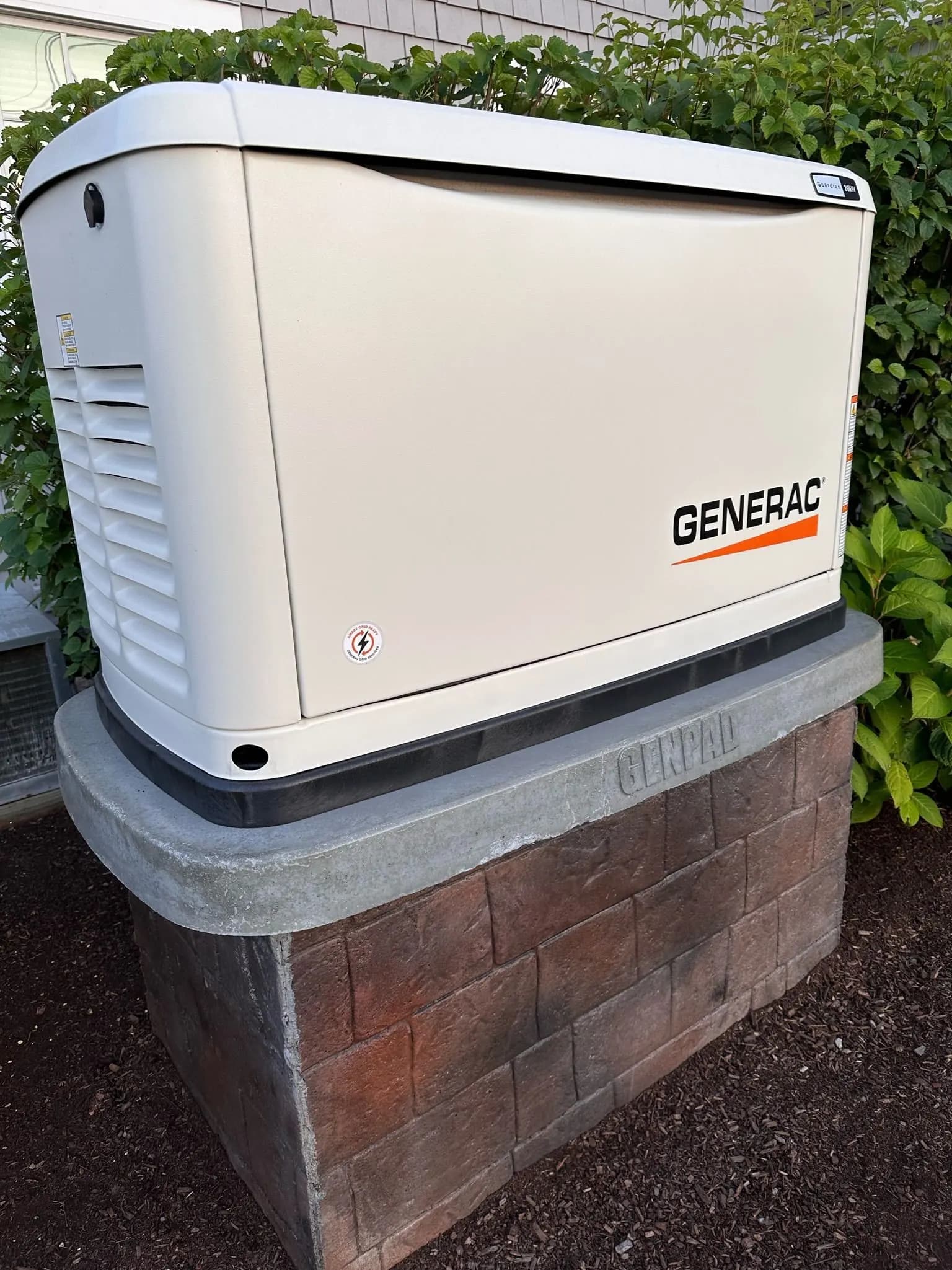
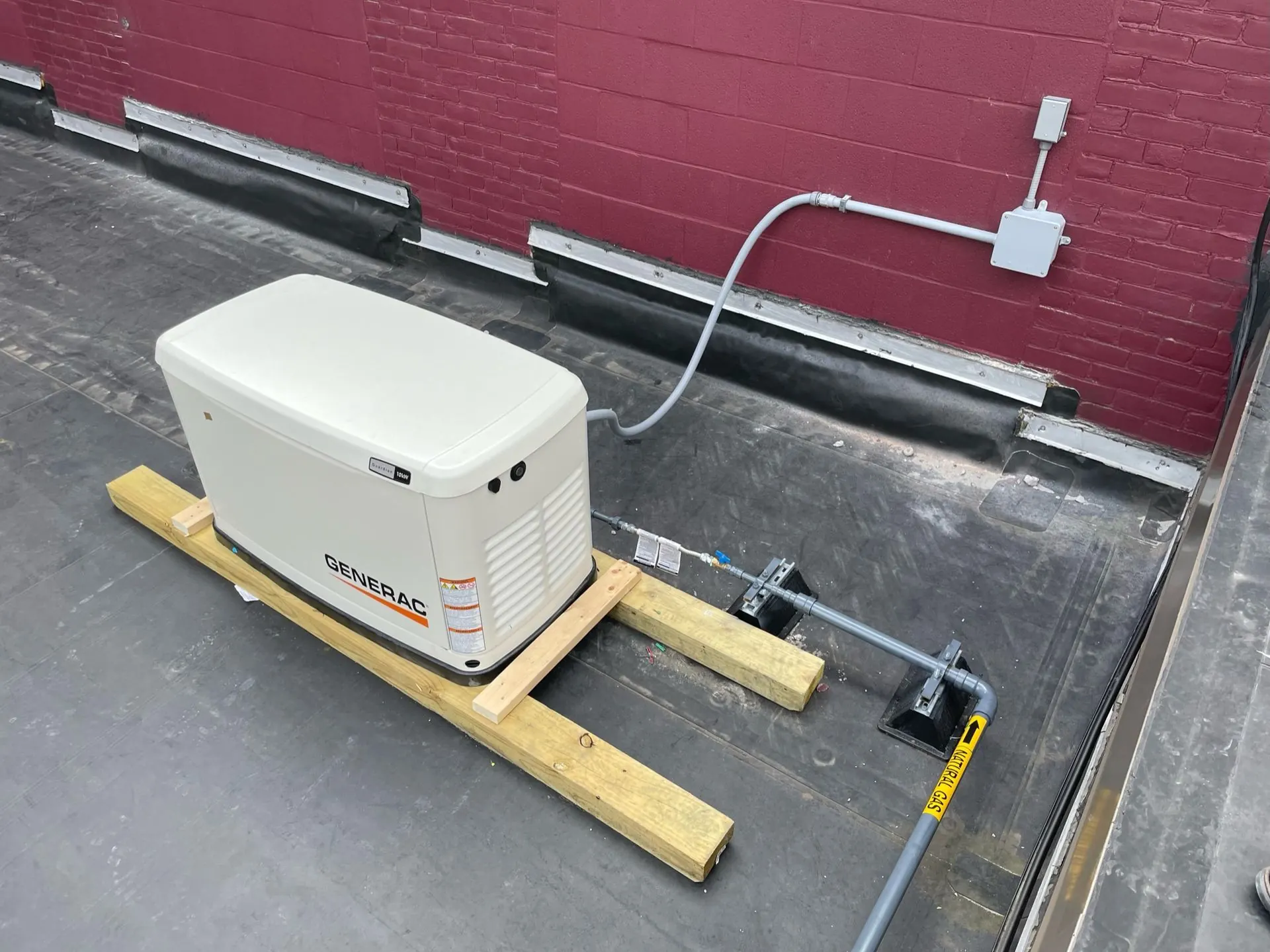
Backup power comes in two broad forms. A standby generator is permanently installed, runs on natural gas or propane, and starts automatically through a transfer switch within moments of an outage. A portable generator is wheeled out when you need it and plugged into an inlet that feeds selected circuits through an interlock or manual transfer switch. Both are good answers for different households.
We’ve been installing residential and commercial generators for well over a decade. We help you work out what you need to power, recommend a system, handle permits, and integrate it safely with your electrical system.
“He was on time. He was knowledgable and explained everything very well. He was friendly, helpful and efficient. He finished everything in one day even though he had to go and get a part, which he did very quickly. I was very pleased.”
What’s included
Generator Services: every service in this group.
- Generator InstallationChoosing the right generator is half the job; installing it safely is the other half.
- Backup GeneratorsWhen the grid goes down, a backup generator keeps the heat, the well pump, the fridge and the lights on.
- Portable Generator HookupsA portable generator is a smart, affordable backup plan, as long as it’s connected safely.
Signs to watch for
Is backup power right for you?
- 01
You’re on a well
No power means no water. A generator keeps the well pump running.
- 02
Your basement has a sump pump
Outages and heavy rain often arrive together. A dead sump pump means a wet basement.
- 03
Someone depends on medical equipment
Oxygen concentrators and other equipment can’t wait for the utility.
- 04
You work from home
Internet, computers and phones need power to keep working through an outage.
- 05
Your street loses power often
Tree-lined roads and rural lines tend to go down first and come back last.
- 06
You run a business
Refrigeration, POS systems, security and lighting all stop without power.
What the job involves
How we approach generator projects.
- 1
Decide what needs power
Whole house, or essentials like heat, well, sump, fridge and a few circuits.
- 2
Choose standby or portable
We explain the trade-offs in cost, convenience and fuel.
- 3
Size it properly
We calculate the load so the generator can start and run what you need.
- 4
Permits and siting
We handle permits and place the unit with safe clearances from doors, windows and vents.
- 5
Install, test and train
Transfer equipment installed, the system tested under load, and you shown how it works.
Why it matters
Backup power, installed safely.
The dangerous way to use a generator is also the most common DIY approach: an extension cord through a window or a ‘suicide cord’ backfeeding a dryer outlet. Backfeeding can energize the utility lines outside and injure line workers, and it can damage the generator and your wiring when power returns.
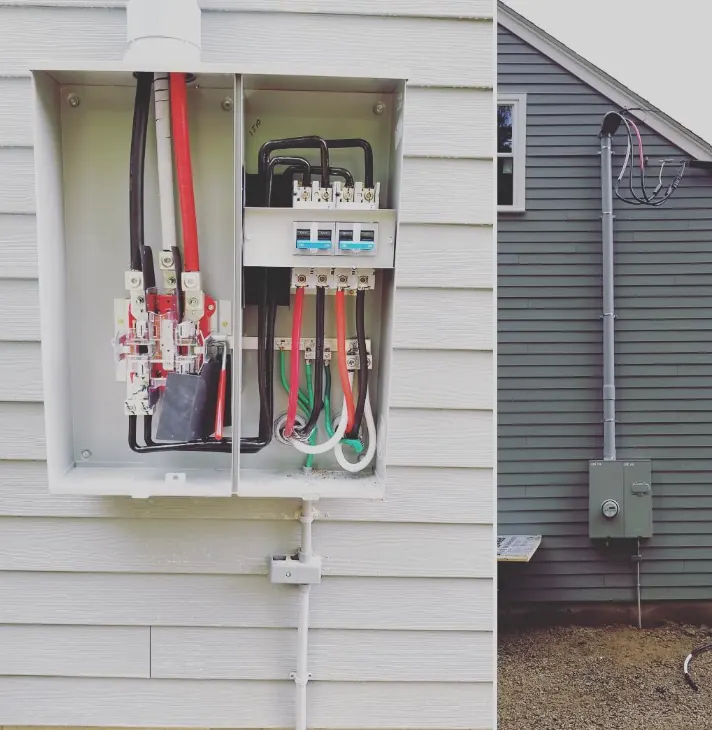
A transfer switch or interlock keeps the house either on the utility or on the generator, never both. It’s the piece that makes backup power safe, and it’s what we install on every generator job.
- Standby & portable
- Transfer switches & interlocks
- Permits handled
- Residential & commercial
Generator Services FAQ
Questions we get about this work
What’s the difference between a standby and a portable generator?
A standby generator is permanently installed, runs on natural gas or propane and starts automatically. A portable generator is stored away and connected manually through an inlet and interlock or transfer switch when you need it.
Can my panel support a whole-house generator?
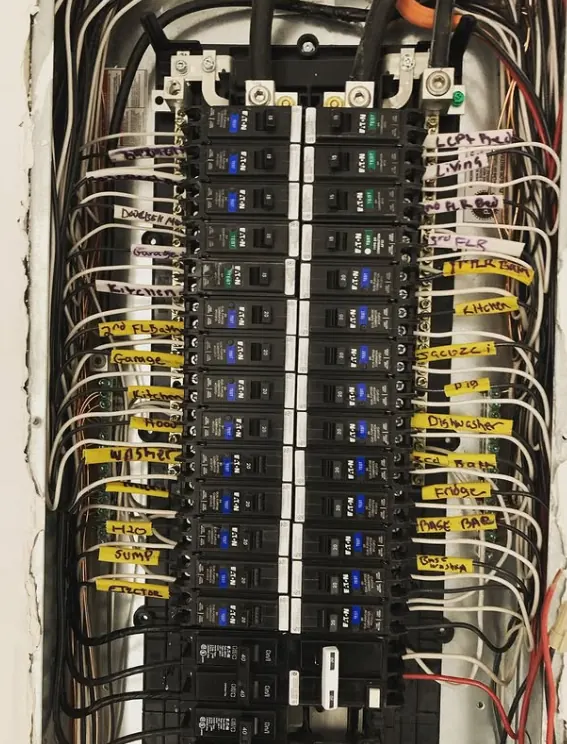
Usually, with the right transfer switch. We look at your service size and panel during the estimate and design the connection accordingly.
How is a backup generator connected to my home?
Through a transfer switch or a panel interlock, which isolates your house from the utility while the generator runs. Never through a backfeed cord.
Do generators need permits?
Many Massachusetts towns require permits for generator installations, and gas connections have their own requirements. We handle the electrical permitting.
Is financing available?
Yes. Generators are one of the projects customers often finance.
Related services
Often done together.

Nearby service areas
Generator Services across the region.
- Westford, MA
- Newton, MA
- Chelmsford, MA
- Lowell, MA
- Billerica, MA
- Tewksbury, MA
- Lexington, MA
- Burlington, MA
- Boston, MA
- Cambridge, MA
- Hillsborough County, NH
- York County, ME
Free estimates · Financing · Warranty
Ready to talk generator services?
Call Monday to Friday, 8:00 to 4:30, or send a note and we’ll get back to you with a time for your free estimate.