
Safety & pre-sale inspections
Electrical Inspections for Homes in Westford & Newton, MA
- Licensed & insured
- Free estimates
- Warranty-backed work
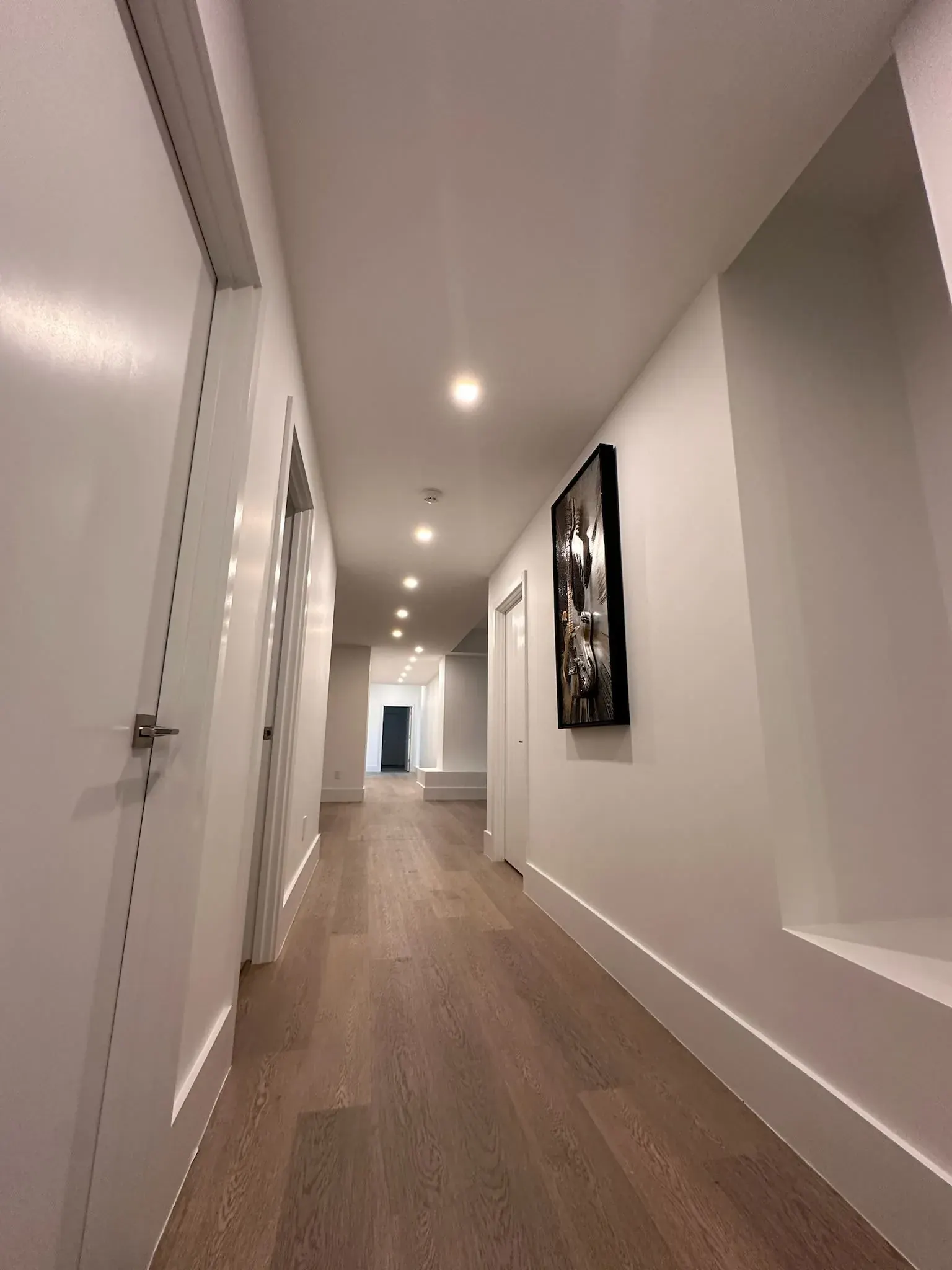
Electrical Inspections
Know what’s behind the walls.
A general home inspector looks at dozens of systems in a few hours. They’re good at spotting that something looks wrong, and their reports often end with ‘recommend evaluation by a licensed electrician.’ That’s where we come in. An electrical inspection goes deeper: opening the panel, testing circuits, checking grounding and bonding, and looking at the connections that actually fail.
People call us for inspections at a few moments. Before buying an older house, to understand what they’re getting into. Before selling, to fix problems before a buyer’s inspector finds them. When an insurer asks about the wiring. After a storm or surge. Or just because they’ve owned the house for twenty years and never had anyone look.
You get a written summary that puts findings in order: safety issues that need attention now, things to plan for, and items that are simply older but fine. We’re not trying to sell you a rewire. If the house is in good shape, we’ll say so.
“He was on time. He was knowledgable and explained everything very well. He was friendly, helpful and efficient. He finished everything in one day even though he had to go and get a part, which he did very quickly. I was very pleased.”
Signs to watch for
Good reasons to book an inspection.
- 01
Buying an older home
Knob and tube, aluminum wiring, overloaded panels and DIY additions are common in older housing. Know before you close.
- 02
Selling your home
Find and fix issues on your schedule instead of negotiating them under deadline after the buyer’s inspection.
- 03
Insurance questions
Insurers often ask about panel type, wiring age and knob and tube. An inspection gives you accurate answers.
- 04
After a storm or surge
Lightning, flooding or a utility surge can damage wiring and equipment in ways you can’t see.
- 05
Before a big addition
Adding a heat pump, EV charger or in-law suite? Check the existing system’s capacity and condition first.
- 06
It’s been decades
If nobody’s looked at the panel since you moved in, an inspection is cheap insurance.
What the job involves
What we check.
- 1
Service and panel
Service size, panel condition, breaker types and sizing, signs of heat or moisture, and whether the panel has known issues.
- 2
Grounding and bonding
Grounding electrode, bonding of water and gas piping, and the ground path to outlets.
- 3
Wiring types
We identify knob and tube, cloth-covered cable, aluminum branch wiring and other older methods, and note where they’re still in use.
- 4
Devices and protection
Sample testing of outlets and switches, GFCI and AFCI protection where it’s expected, and smoke and CO detector coverage.
- 5
Written summary
A prioritized list of findings with plain explanations and, if you want it, a quote for any repairs.
Good to know
Good to know before your inspection.
Make sure we can reach the panel, the attic hatch and the basement. Clearing a path to the panel and moving stored items away from the walls lets us check more and finish faster.
Share what you know: the age of the house, past renovations, any breakers that trip, and anything a home inspector already noted. That history points us to the right places and makes the report more useful to you.
Why it matters
Decisions are easier with facts.
An inspection turns vague worry into a clear list. If you’re buying, it helps you negotiate or budget. If you’re selling, it lets you fix problems at a fair price instead of a rushed one. If you’re staying, it tells you what to plan for over the next few years.
Most importantly, it finds the hidden hazards, like overheated connections, missing grounds and overloaded circuits, before they cause a fire or an injury.
- Panel opened and checked
- Grounding and bonding verified
- Prioritized written summary
- No-pressure recommendations
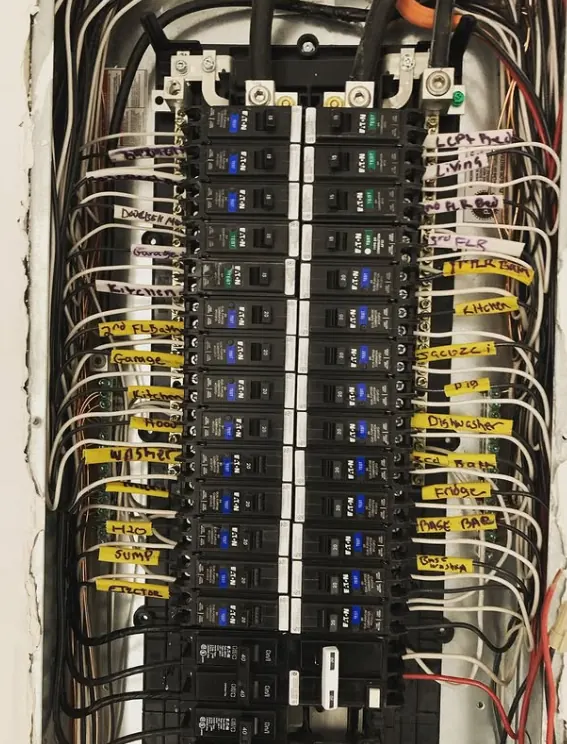
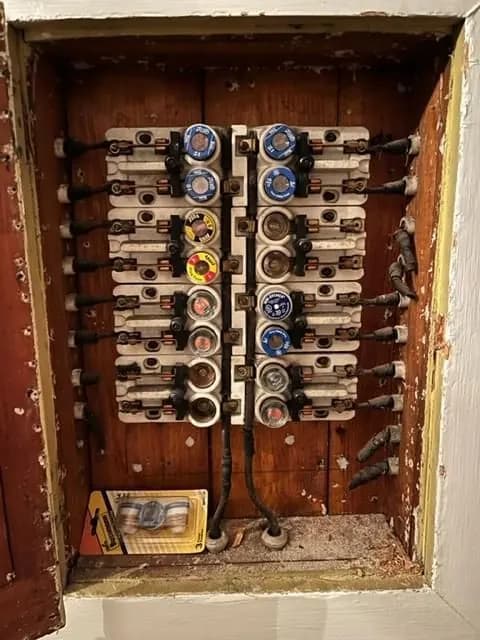
Electrical Inspections FAQ
Questions we get about this work
How long does an electrical inspection take?
For a typical single-family home, a couple of hours. Larger or older homes take longer.
Is this the same as a town inspection?
No. The town’s wiring inspector checks permitted work. Our inspection is an evaluation of the whole existing system on your behalf.
Will you fix what you find?
Only if you want us to. You get the findings either way, and repairs are quoted separately.
Can you inspect before I close on a house?
Yes, with the seller’s permission for access. Let us know your timeline and we’ll do our best to fit it.
Related services
Often done together.
Nearby service areas
Electrical Inspections across the region.
- Westford, MA
- Newton, MA
- Chelmsford, MA
- Lowell, MA
- Billerica, MA
- Tewksbury, MA
- Lexington, MA
- Burlington, MA
- Boston, MA
- Cambridge, MA
- Hillsborough County, NH
- York County, ME
Free estimates · Financing · Warranty
Ready to talk electrical inspections?
Call Monday to Friday, 8:00 to 4:30, or send a note and we’ll get back to you with a time for your free estimate.