
Inlets, interlocks & transfer switches
Portable Generator Hookups in Westford & Newton, MA
- Licensed & insured
- Free estimates
- Warranty-backed work
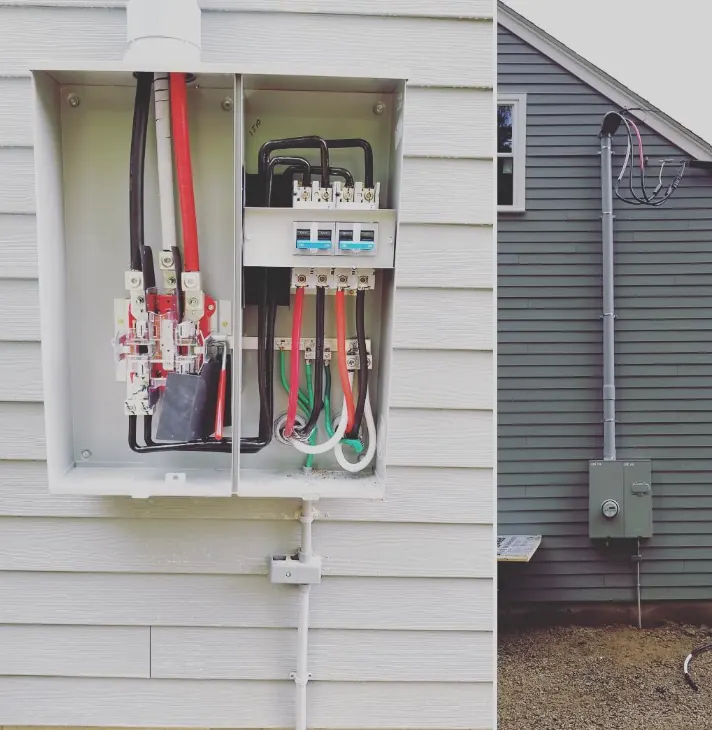
Portable Generator Hookups
Backup power without the extension cords.
Not every household needs a permanently installed standby generator. If outages are occasional and you’re comfortable wheeling a generator out of the garage, a portable unit can keep the essentials running for a fraction of the cost. The key is connecting it safely.
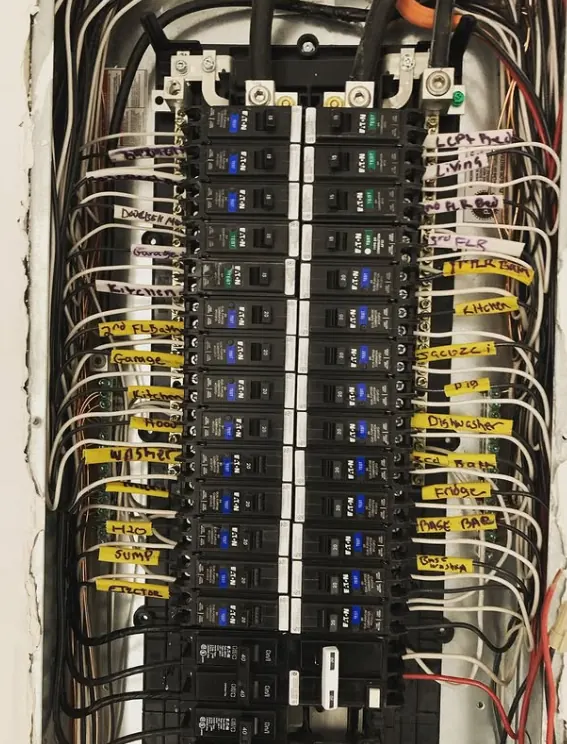
The safe way is an outdoor power inlet connected to your panel through either a listed interlock kit or a manual transfer switch. You plug the generator into the inlet with a proper cord, switch the house off utility power, and turn on the circuits you want. The interlock makes it physically impossible to have the main breaker and generator breaker on at the same time, which is what prevents backfeeding.
We install inlets, interlocks and transfer switches, help you work out which circuits your generator can carry, and show you the exact steps to follow during an outage, including where to place the generator so exhaust stays well away from the house.
“He was on time. He was knowledgable and explained everything very well. He was friendly, helpful and efficient. He finished everything in one day even though he had to go and get a part, which he did very quickly. I was very pleased.”
Signs to watch for
Is a portable setup right for you?
- 01
Outages are occasional
If you lose power a few times a year for short periods, portable may be enough.
- 02
You only need essentials
Heat, fridge, sump, a few lights and outlets can run on many portable units.
- 03
You already own a generator
We can connect the one you have, if it’s suitable, instead of selling you a new one.
- 04
Budget matters
An inlet and interlock cost far less than a standby system.
- 05
You’ve been using cords
Extension cords through windows and backfeed cords are dangerous. We’ll replace them with a proper setup.
- 06
You want room to grow
A portable setup today can be a stepping stone to standby later.
What the job involves
How we set up a portable hookup.
- 1
Check the generator
Its output, outlet type and whether it’s suitable for home connection.
- 2
Pick circuits
We choose circuits the generator can carry and match them to your priorities.
- 3
Install inlet and interlock
A weatherproof inlet outside and a listed interlock or transfer switch at the panel.
- 4
Permit and inspection
Permitted and inspected like any other panel work.
- 5
Walk you through an outage
Step by step: placement, cord, switching and shutting down.
Good to know
Good to know before you need it.
Practice once before the storm. After installation, run through the whole process on a nice day: roll out the generator, connect the cord, switch over, run a few circuits, and switch back. It’s much easier to learn in daylight than in the middle of an outage.
Store fuel safely and run the generator periodically so it starts when you need it.
Why it matters
Safe for you and the line crews.
Backfeeding a house through a dryer outlet or similar shortcut can send power back out onto the utility lines, putting line workers at serious risk, and can destroy the generator when power returns. An interlock or transfer switch removes that risk entirely.
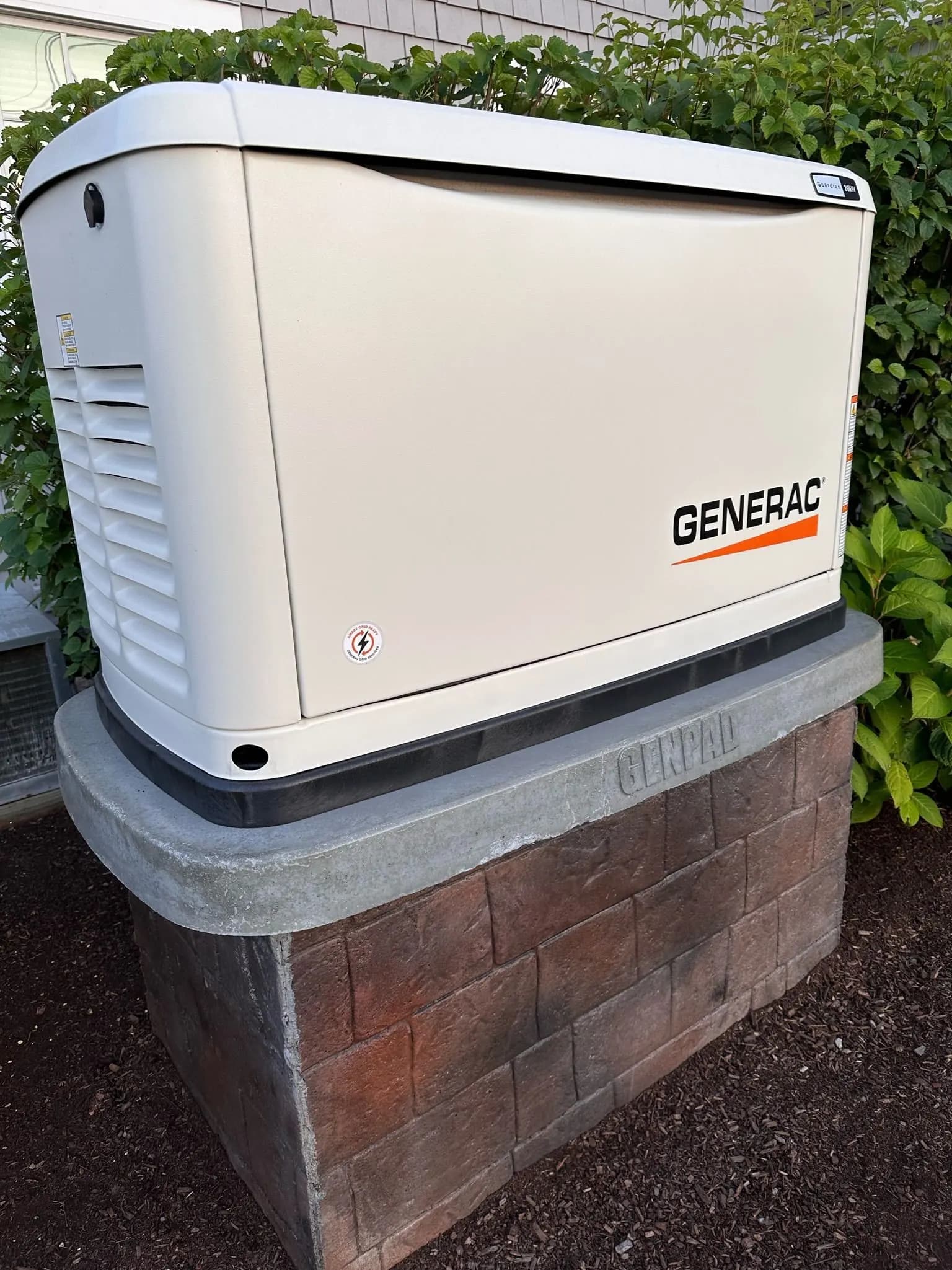
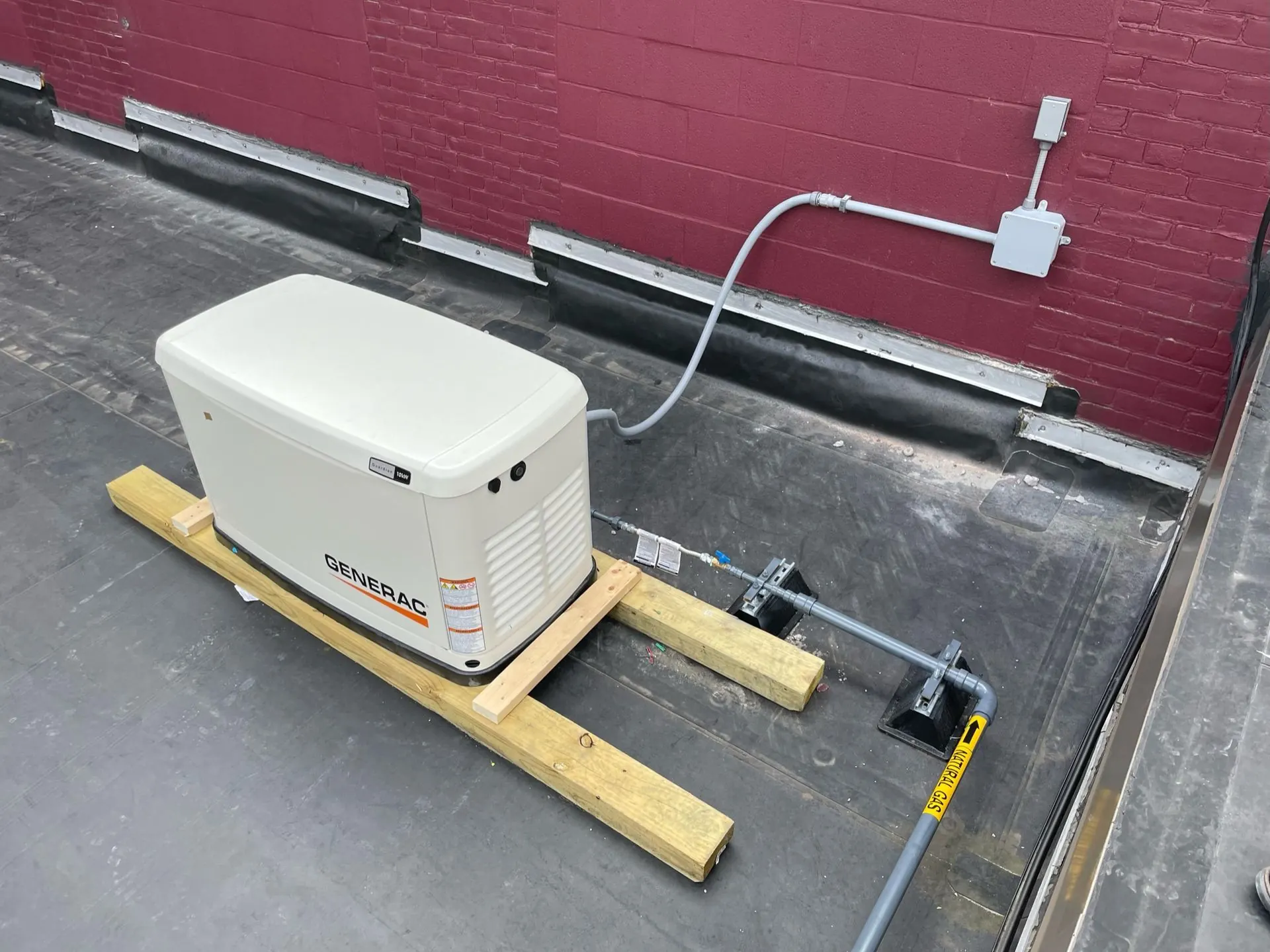
Placement matters just as much. Generators produce carbon monoxide, so they belong outside, away from doors, windows and vents. We help you plan a safe spot and cord route before the next storm.
- No backfeeding
- Weatherproof inlet
- Interlock or transfer switch
- Step-by-step training
Portable Generator Hookups FAQ
Questions we get about this work
What’s the difference between a standby and a portable generator?
Standby units are permanent and start automatically. Portable units are cheaper and connected manually when you need them, through an inlet and interlock or transfer switch.
Can I use my existing portable generator?
Often, yes. We check its output and receptacle type to make sure it’s suitable for a home connection.
What is a generator interlock?
A listed mechanical device on your panel that prevents the main breaker and the generator breaker from being on at the same time, so the house can’t backfeed the grid.
Where should I put the generator?
Outside, well away from doors, windows and vents, never in a garage or porch. We’ll help you choose a safe spot.
Related services
Often done together.
Nearby service areas
Portable Generator Hookups across the region.
- Westford, MA
- Newton, MA
- Chelmsford, MA
- Lowell, MA
- Billerica, MA
- Tewksbury, MA
- Lexington, MA
- Burlington, MA
- Boston, MA
- Cambridge, MA
- Hillsborough County, NH
- York County, ME
Free estimates · Financing · Warranty
Ready to talk portable generator hookups?
Call Monday to Friday, 8:00 to 4:30, or send a note and we’ll get back to you with a time for your free estimate.