
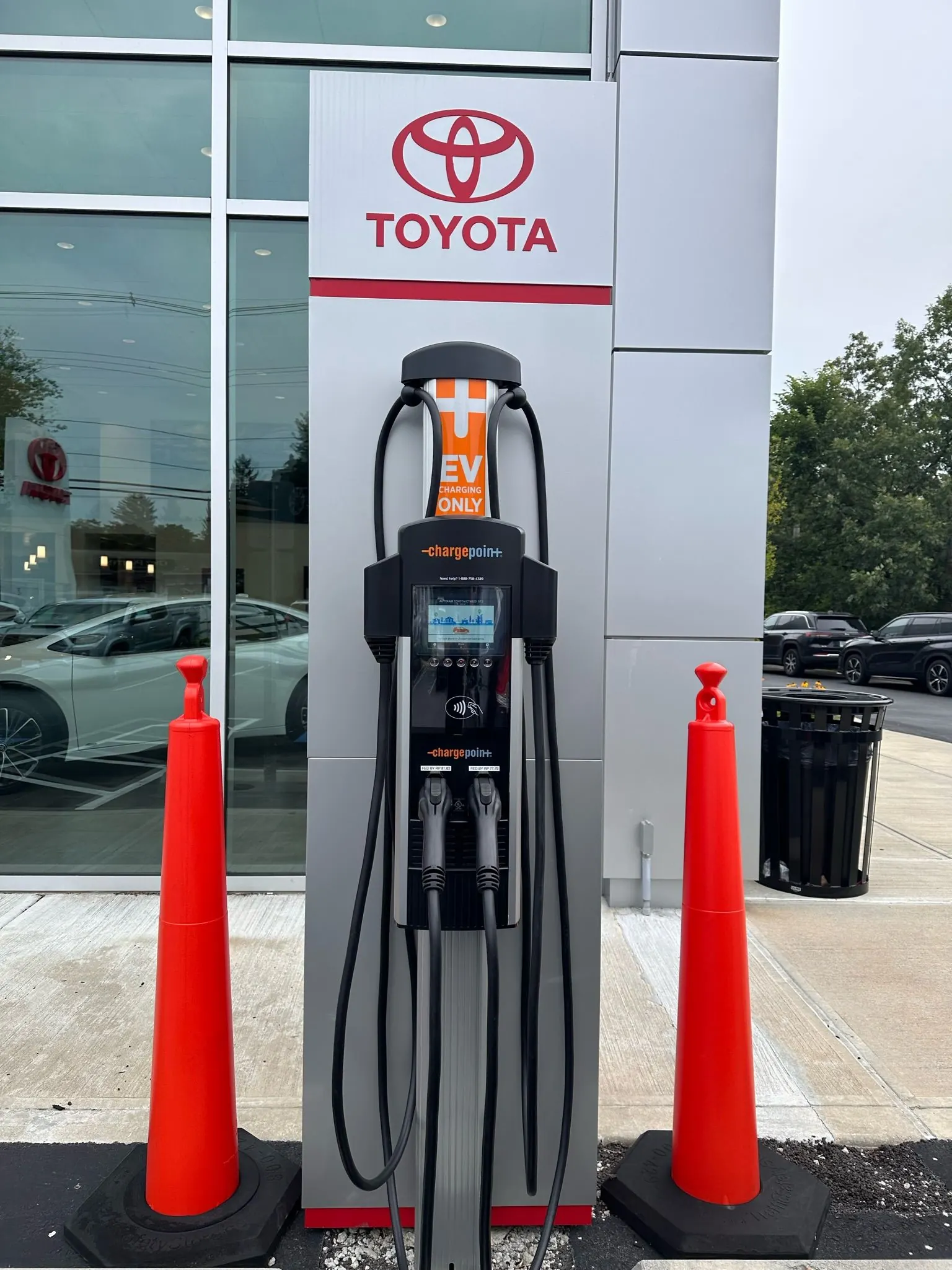
Level 2 charging
EV Charger Installation in Westford & Greater Boston
- Licensed & insured
- Free estimates
- Warranty-backed work
EV Chargers
Charge at home the way you were promised.
The cord that comes with most EVs plugs into a regular 120-volt outlet. It works, slowly. Depending on the car, a night on that cord might add a few dozen miles. A Level 2 charger on a 240-volt circuit can refill most daily driving in a few hours, which is what makes owning an EV feel easy instead of like a chore.
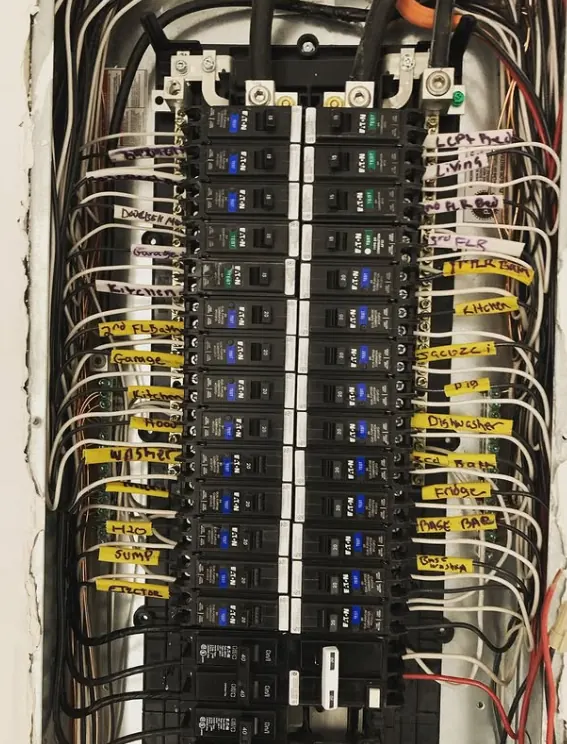
The charger itself is the simple part. The real work is making sure your electrical service can carry a large, steady load for hours at a time, then running the circuit cleanly from the panel to where you park. In a lot of Westford and Chelmsford garages that’s a short run on the same wall. In a Cambridge or Somerville two-family with the panel in the basement and parking out back, it takes more planning.
We install hardwired chargers and 240-volt outlets for plug-in units, for homes and for businesses. One of our customers put it better than we could after a Level 2 install: the crew showed up on time and the quality of the job was superb.
“I got an electric vehicle and needed to install a level 2 home charging station. Two professional guys showed up on time and the quality of the job was superb. I am happy to have found a local electrician who cares.”
Signs to watch for
Things to sort out before you buy a charger.
A few questions decide whether your install is simple or needs extra work.
- 01
Panel capacity
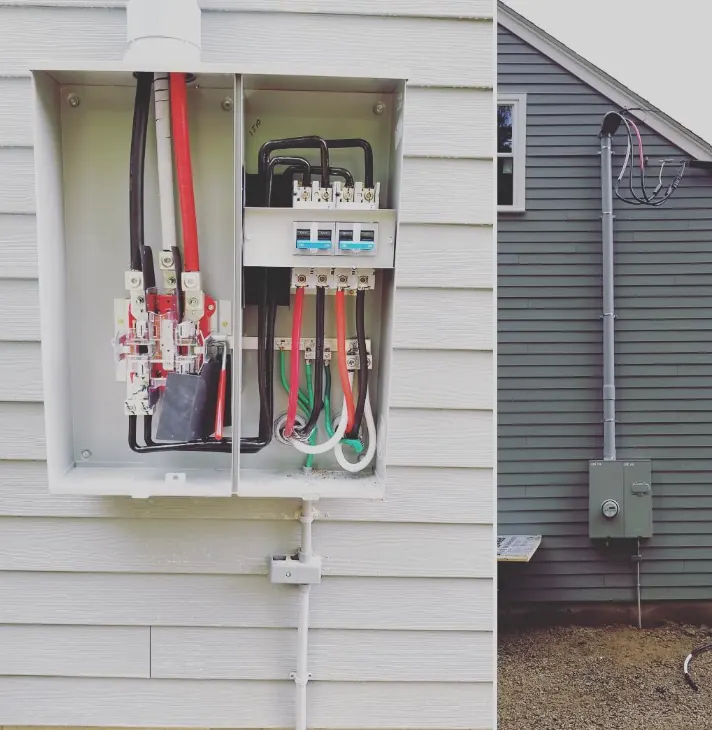
A charger is one of the biggest loads in the house. If your panel is already near its limit, we’ll look at a load-management device or a service upgrade.
- 02
Distance from the panel
Longer runs mean more wire and sometimes a larger wire size. Knowing where the car parks lets us plan the cheapest safe route.
- 03
Hardwired or plug-in
Hardwired chargers are tidy and don’t wear out an outlet. Plug-in units give you flexibility. We’ll explain the trade-offs for your charger.
- 04
Garage or driveway
Outdoor chargers need weather-rated equipment and a mounting spot that survives snow, plows and car doors.
- 05
Two EVs, now or later
If a second EV is likely, plan the circuit and panel space for it now. It’s cheaper than doing the job twice.
- 06
Detached garage
Chargers in a detached garage may need a trench and underground feed. We handle that too, including the digging.
What the job involves
How an EV charger install goes.
- 1
Quick survey
We look at your panel, your service size and where you park, then calculate whether the existing service can carry the charger.
- 2
Charger and circuit recommendation
We recommend the circuit size to match your charger and car, and whether load management or an upgrade makes sense. You get a written price.
- 3
Permit
We file the electrical permit with your town. EV charger circuits are inspected like any other new circuit.
- 4
Install
We run the dedicated circuit, mount the charger or outlet at a height and spot that works with your cable, and set up any required disconnect.
- 5
Test and hand-off
We verify the charger communicates with the car, check the circuit under load, and show you the breaker and settings.
Why it matters
Faster charging, done safely.
EV charging is a continuous load: many amps for hours at a time. That’s harder on wiring and connections than most household loads, which is why the wire size, breaker and terminations need to be right. A charger on an undersized or loose circuit is a real fire risk, and it’s one of the most common DIY mistakes we see.
Done properly, a Level 2 charger is one of the best upgrades you can make if you drive electric. You leave every morning with the range you need, you stop planning around public chargers, and the installation adds value for the next owner too.
- Load check before install
- Dedicated, permitted circuit
- Indoor or outdoor mounting
- Home and business chargers
EV Chargers FAQ
Questions we get about this work
How long does an EV charger install take?
When the panel has room and parking is near it, most installs take part of a day. Longer runs, panel upgrades or trenching to a detached garage take longer, and we’ll tell you up front.
What size circuit do I need?
It depends on the charger and how fast your car can charge. Many home chargers run on a 40- or 50-amp circuit. We size the circuit to your equipment rather than guessing.
Can you install a charger I already bought?
Yes. Tell us the make and model when you request an estimate so we can check its requirements.
Do you install chargers for businesses?
Yes. We’ve installed commercial charging stations, including at a car dealership. Commercial jobs get their own load planning.
Will I need a panel upgrade?
Not always. A load calculation tells us. If capacity is tight, load management can sometimes avoid an upgrade.
Related services
Often done together.
Nearby service areas
EV Chargers across the region.
- Westford, MA
- Newton, MA
- Chelmsford, MA
- Lowell, MA
- Billerica, MA
- Tewksbury, MA
- Lexington, MA
- Burlington, MA
- Boston, MA
- Cambridge, MA
- Hillsborough County, NH
- York County, ME
Free estimates · Financing · Warranty
Ready to talk ev chargers?
Call Monday to Friday, 8:00 to 4:30, or send a note and we’ll get back to you with a time for your free estimate.