Heat pumps have become one of the most common upgrades we see in Massachusetts homes. Mass Save rebates, the cost of oil and propane, and the appeal of central air in houses that never had it all push homeowners in the same direction. What often gets missed in the excitement is the electrical side. A heat pump is a large, motor-driven load that runs for long stretches in the coldest part of the year, and your panel, service and wiring need to be ready for it before the installer shows up.
This guide walks through what an electrician looks at before a heat pump goes in, the problems we run into most often in older New England houses, and how to plan the work so installation day goes smoothly.
Why a Heat Pump Changes Your Electrical Load
A furnace or boiler burning oil or gas uses electricity mainly for a blower, a circulator and its controls. A heat pump moves the whole heating job onto your electrical service. The outdoor unit runs a compressor, and many systems add electric resistance backup heat for the coldest nights. On a January morning the heat pump can be the single biggest draw in the house, running at the same time as the dryer, the range and an EV charger.
That is why the first question is not which brand to buy. It is whether your electrical service can carry the new load alongside everything you already own.
Start With a Load Calculation
Electricians size services with a load calculation based on the National Electrical Code, which Massachusetts adopts with its own amendments. The calculation adds up the square footage of the house, fixed appliances, cooking equipment, laundry, water heating and the new heating and cooling equipment, then applies the demand factors the code allows. It is a far better guide than looking at the number printed on the main breaker and guessing.
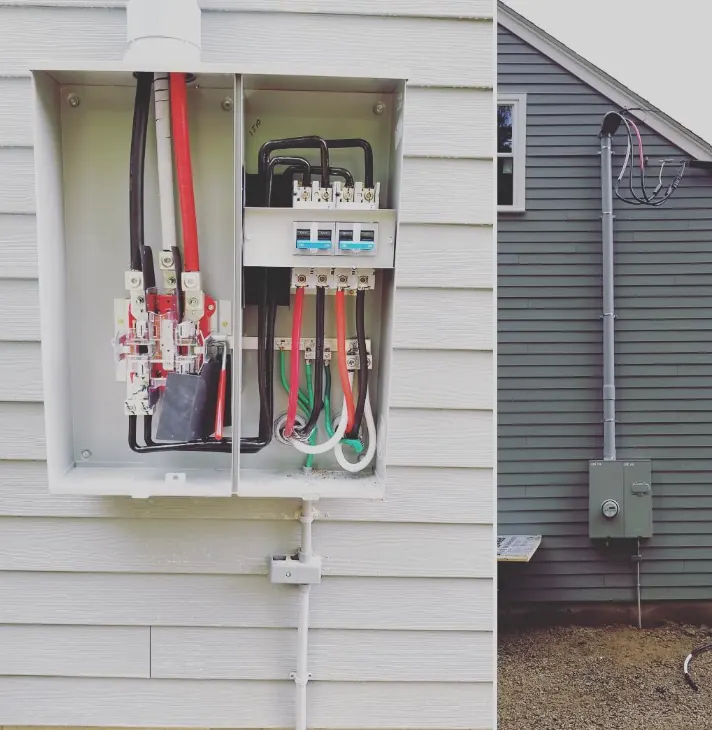
Many older homes in towns like Westford, Chelmsford and Newton still run on a 100 amp service. Some of those homes can take a modest ductless system without trouble. Others, especially houses that already have central air, an electric range or an electric water heater, come out over the line once the heat pump and its backup heat are added. When that happens the usual answer is a service and panel upgrade, often to 200 amps.
What the Installation Itself Requires
Every heat pump system is different, so the manufacturer's instructions and nameplate ratings set the details. In general, expect the electrical work to include:
- A dedicated 240 volt circuit for each outdoor unit, sized to the minimum circuit ampacity and maximum overcurrent protection listed on the nameplate.
- A disconnect within sight of the outdoor unit, so a technician can safely shut off power while working on it.
- Separate circuits for electric backup heat strips or air handlers on ducted systems.
- Weatherproof wiring methods outdoors, with fittings rated for wet locations.
- Low voltage control wiring coordinated with the HVAC contractor.
The route matters too. Running a new circuit from a basement panel to an outdoor unit on the far side of the house can mean fishing wire through finished walls or running conduit along the exterior. We look at the route during the estimate so there are no surprises later.
Common Problems in Older New England Houses
A few situations come up again and again when we prepare homes for heat pumps:
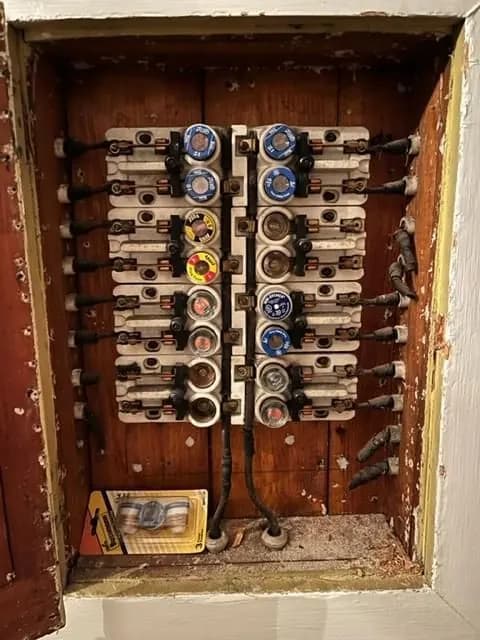
- Full panels. There is simply no room for the two-pole breakers a heat pump needs. Tandem breakers are not allowed in every panel, and a subpanel or a new panel is often the cleaner fix.
- Outdated panels. Some older panel brands have well documented reliability concerns, and adding a large new load to them is not something we recommend.
- Undersized service equipment. Even with a 200 amp breaker, the service entrance cable or meter socket can limit what the home can safely draw.
- Old branch wiring. Homes with knob and tube wiring or cloth-insulated cable need attention before the system gets busier.
Load Management as an Alternative
When a home sits just over the limit, load management can sometimes avoid a full service upgrade. These devices watch the total draw and briefly pause a lower priority load, such as an EV charger or a water heater, when the heat pump and other big appliances run together. The code allows this approach when the equipment is listed for it and installed correctly. It is not right for every house, but it is worth discussing when the numbers are close.
Permits, Inspections and the Utility
In Massachusetts, electrical work for a heat pump needs a permit and a licensed electrician. The local wiring inspector checks the work before the system is turned over to you. If the service is being upgraded, the utility gets involved as well, to disconnect and reconnect power and sometimes to swap the meter. A good electrician handles that coordination so you are not stuck in the middle between the utility, the inspector and the HVAC contractor.
Rebate programs often ask for proof that the work was permitted and completed properly, so keep copies of your paperwork.
How to Plan the Project
The smoothest heat pump projects we see follow a simple order:
- Get the electrical evaluation first, before you sign with an HVAC contractor, so you know whether a service upgrade belongs in the budget.
- Share the equipment model numbers with your electrician as soon as they are chosen.
- Schedule any panel or service upgrade ahead of the HVAC install date.
- Coordinate the final electrical connection with the installer so the system can be started and tested the same day.
Spring and early fall are the easiest times to do this work. Waiting for the first cold snap means competing with everyone whose old system just quit.
Get Your Home Ready for a Heat Pump
Ryan Gath Electric handles HVAC electrical work, panel upgrades and service changes for homes across Middlesex County and beyond. We will run the load calculation, check your panel and wiring, and give you a clear plan before the heat pump goes in. Request a free estimate or call our office to get started.