Two sets of letters show up on almost every electrical inspection report and remodel plan: GFCI and AFCI. They sound alike, they both trip, and they both cost more than a standard outlet or breaker, so it is easy to lump them together. They actually protect against very different dangers, and knowing the difference helps you understand why an electrician recommends them and what it means when one keeps tripping.
What a GFCI Does
A ground fault circuit interrupter protects people from electric shock. It constantly compares the current going out on the hot conductor with the current coming back on the neutral. If a small amount goes missing, it is probably flowing somewhere it should not, such as through a person standing on a wet floor. The GFCI cuts power in a fraction of a second, fast enough to prevent a serious injury.
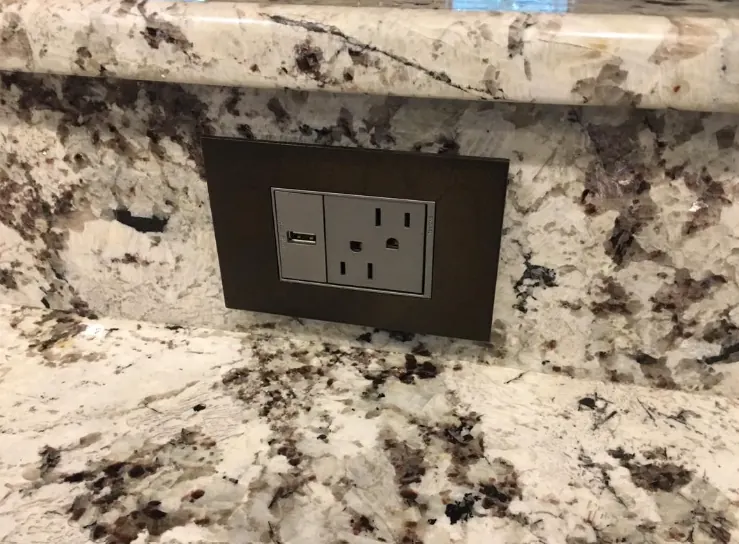
GFCI protection can come from a receptacle with test and reset buttons, from a GFCI breaker in the panel, or from a receptacle upstream that protects the outlets after it on the same circuit.
What an AFCI Does
An arc fault circuit interrupter protects the house from fire. Damaged cords, loose connections, a nail driven through a cable or wiring chewed by rodents can all create arcing, a tiny spark that jumps across a gap. Arcing produces intense heat right where it happens, often inside a wall or behind furniture where nobody sees it. An AFCI breaker watches the waveform on the circuit and trips when it recognizes the signature of a dangerous arc.
Some breakers combine both functions, which is handy for circuits that need both kinds of protection.
Where Homes Typically Need GFCI Protection
Massachusetts follows the National Electrical Code with its own amendments, and the list of required locations has grown with each edition. The exact rules for your project depend on the code in force when the permit is pulled, but GFCI protection is commonly required in:
- Bathrooms
- Kitchen receptacles, and in newer editions more than just the countertop outlets
- Laundry areas and areas near sinks
- Garages and accessory buildings
- Unfinished basements and crawl spaces
- Outdoor receptacles
- Pools, hot tubs and their equipment
Older homes were built before many of these rules existed. That does not make them illegal, but adding GFCI protection in wet areas is one of the cheapest safety upgrades you can make. Our outlets and switches service covers exactly this kind of work.
Where Homes Typically Need AFCI Protection
AFCI rules started with bedrooms and have expanded to most living spaces, including family rooms, dining rooms, hallways, closets, kitchens and laundry areas in newer code editions. When you remodel or extend circuits in an older home, the code can require AFCI protection for the circuits involved, which is one reason a simple remodel sometimes includes new breakers.
Why One Might Keep Tripping
A GFCI or AFCI that trips once after a storm or a power blink is usually nothing to worry about. One that trips over and over is trying to tell you something. Common causes include:
- Moisture in an outdoor box or a cracked weatherproof cover.
- An appliance with a failing heating element or motor leaking a little current to ground.
- A shared neutral or a miswired circuit that worked fine until protection was added.
- Loose connections or damaged insulation somewhere on the circuit.
- An older AFCI breaker that is more sensitive to certain motors and electronics than current models.
Resist the urge to swap the device for a standard outlet or breaker. If the protection is required, removing it creates a code violation and takes away the safety feature that may be catching a real fault. A licensed electrician can isolate the circuit, test each section and find the cause. Our electrical repair team does this kind of troubleshooting every week.
Test Them Once a Month
Both devices have a test button. Press it, confirm the power goes off, then reset it. A GFCI that will not trip when tested, or that will not reset, should be replaced. Devices wear out, and the test button is the only way to know yours still works.
When It Makes Sense to Upgrade
Consider adding GFCI and AFCI protection when you:
- Remodel a kitchen, bathroom or basement.
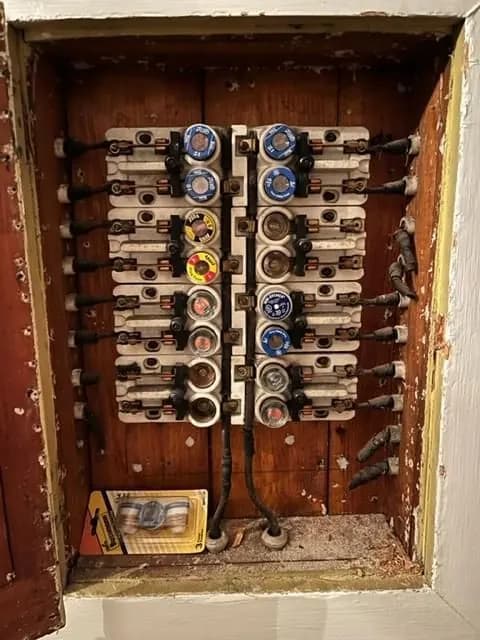
- Buy an older home with two-prong outlets or no protection in wet areas.
- Have small children, older family members or anyone who would be at higher risk from a shock or fire.
- Get a home inspection report that flags missing protection.
Adding protection is usually straightforward and often done at the panel with new breakers, which keeps the outlets in the rooms unchanged.
Talk to a Licensed Electrician
Ryan Gath Electric adds GFCI and AFCI protection, tracks down nuisance tripping and brings older circuits up to current standards for homeowners from Westford to Newton. If you have a breaker that will not stay on or want to know what your house needs, request a free estimate or call our office.