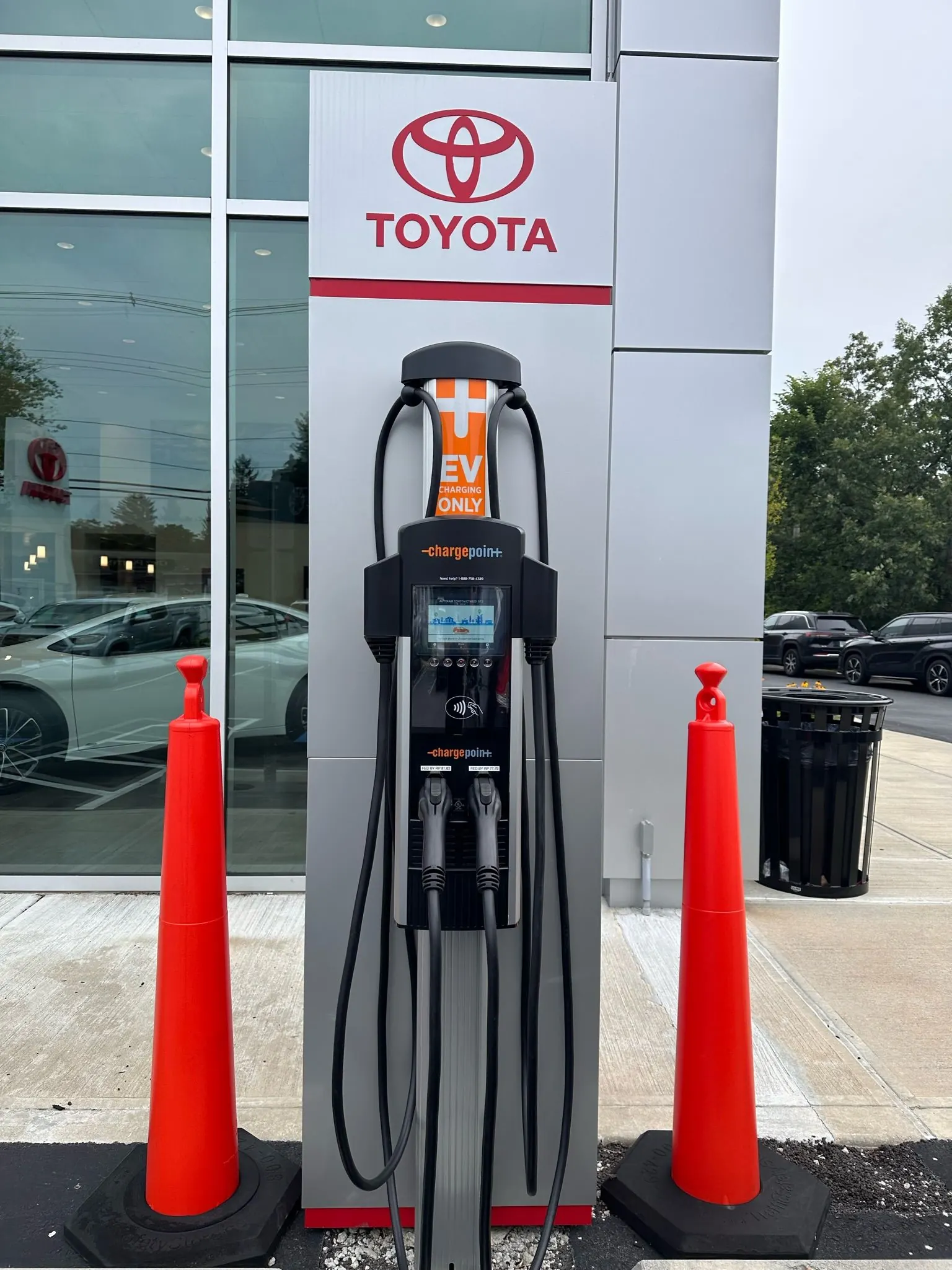
A Level 2 charger is the most convenient way to charge an electric vehicle at home, and it is also one of the largest loads a house can have. For homes with plenty of capacity, installation is simple. For many older Massachusetts homes with 100 amp service, the load calculation comes out tight, and the first quote includes a service upgrade that can cost more than the charger itself.
Load management is often the middle path. Here is how it works, what options exist, and when it makes sense instead of a bigger service.
Why EV Chargers Strain Older Services
A Level 2 charger draws a steady, heavy current for hours at a time, often overnight while the heat, water heater and other appliances are also running. Electricians size the circuit for continuous use, which means the breaker and wire are larger than the charger's rating alone suggests. Add that to an existing home load calculation and a 100 amp service can come out over the limit, especially in homes with electric heat, a heat pump or an electric range.
What Load Management Does
Load management equipment watches how much power the house is using and adjusts the charger to stay within what the service can safely supply. When the dryer, oven and heat pump are all running, the charger slows down or pauses. When they finish, charging picks back up. Most drivers never notice, because the car has all night to fill up.
The National Electrical Code, which Massachusetts adopts with amendments, recognizes these energy management systems. When the equipment is listed for the purpose and installed correctly, the charger circuit can be calculated based on the managed load rather than the full rating. That can be the difference between needing a service upgrade and not needing one.
Common Approaches
There are a few ways to manage an EV charging load:
- Chargers with built-in load management that read current sensors on the service and throttle themselves.
- A separate load management device that controls the charger or switches between two large loads, such as a charger and a dryer, so they never run at full power together.
- Smart panels or smart breakers that can monitor and control individual circuits.
- Setting a lower charging current. Many chargers can be configured to draw less, which reduces the circuit size needed. This simple option fits drivers who do not need the fastest possible charging.
Which approach fits depends on your existing panel, your daily driving and your plans for other electric equipment.
When Load Management Makes Sense
It tends to be a good fit when:
- Your load calculation is only slightly over the limit with the charger added.
- You drive a normal daily commute and charge overnight.
- Your panel is in good condition with room for one more circuit.
- You want to delay a service upgrade for a few years.
When a Service Upgrade Is the Better Call
Load management is not a fix for every house. A service upgrade is usually the better choice when:
- The panel is outdated, full or one of the brands commonly flagged for replacement.
- You are also planning a heat pump, an induction range, a second EV or other big electric loads.
- The home is well over the limit, not just slightly.
- The service equipment itself is old or damaged.
In those cases, managing one load just postpones the inevitable. Our panel and service upgrade work often pairs naturally with an EV charger install.
Planning the Installation
A few details make EV charger projects smoother:
- Decide where you park and where the charging port is on the car, then place the charger so the cable reaches without stretching across walkways.
- Choose between a hardwired charger and a plug-in unit on a receptacle. Hardwired units avoid the wear that comes with repeatedly plugging into an outlet.
- For detached garages, plan the route for the feeder, which may need trenching.
- Check with your utility about EV rate programs and rebates before buying equipment, since some programs require specific chargers.
In Massachusetts the installation requires a permit and a licensed electrician, and the work is inspected before use.
Get the Right Answer for Your Home
The only way to know whether you need a service upgrade is a proper load calculation. Ryan Gath Electric installs EV chargers for homes across Westford, Newton and the surrounding towns, and we will tell you honestly whether load management will do the job or an upgrade is the smarter long-term move. Request a free estimate to get started.